
Looking Back at 2025
The year 2025 marked a significant shift in how Indian cities, especially Mumbai, are approaching urban growth. With land scarcity, an ageing housing stock, and rising aspirations among urban residents, the focus has firmly shifted away from horizontal expansion to large-scale, structured redevelopment.
Mumbai, more than any other city, exemplified this transformation. Vast tracts of the city are built on infrastructure and residential stock that is several decades old. In 2025, redevelopment emerged not just as a necessity but as the most viable and sustainable pathway to unlock Mumbai’s next phase of growth.
At a macro level, India remained one of the world’s fastest-growing major economies, supported by infrastructure spending, urbanisation, and strong domestic demand. However, in cities like Mumbai, growth was no longer about adding new land parcels; it was about reimagining existing neighbourhoods, improving liveability, and future-proofing the city.
Redevelopment as the Defining Theme
During 2025, redevelopment projects gained momentum across Mumbai’s residential, commercial and mixed-use landscapes. The year reinforced several key truths:
- Redevelopment is urban renewal – it upgrades ageing buildings, strengthens safety standards, improves infrastructure capacity, and enhances quality of life.
- It is socially transformative, allowing existing residents to access larger homes, better amenities, and modern infrastructure without displacement.
- It is economically efficient, unlocking value from underutilised land while creating new employment and investment opportunities.
At TransIndia, 2025 was a year of strategic alignment with this reality. Our focus remained on redevelopment-led growth that balances stakeholder interest; residents, authorities, investors, and the city at large. The year reinforced our belief that redevelopment is not a short-term opportunity, but a long-term city-building responsibility.
2026 Outlook — Redevelopment Will Drive Mumbai’s Next Growth Cycle
As we move into 2026, redevelopment will increasingly become the primary engine of Mumbai’s real estate and infrastructure ecosystem.
Several trends will shape this trajectory:
1. Scale and Institutionalisation
Redevelopment will move beyond isolated projects to cluster-based and precinct-level transformation, supported by better planning frameworks and infrastructure coordination.
2. Policy and Regulatory Maturity
Greater clarity in approvals, incentives for tenants, and faster project execution will further strengthen confidence among developers and residents alike.
3. Sustainability and Resilience
Future redevelopment will focus on energy efficiency, climate resilience, improved drainage, parking, and open spaces, making Mumbai more adaptable to environmental challenges.
4. Community-First Development
Redevelopment in 2026 will be less about pure real estate and more about community creation, integrating healthcare access, senior-friendly design, green spaces, and smart mobility.
TransIndia’s Strategic Direction
For TransIndia, 2026 will be guided by a clear philosophy:
- Redevelopment-led urban transformation
- Responsible capital deployment
- Long-term stakeholder value creation
Our approach will remain rooted in executing redevelopment projects that are financially prudent, socially sensitive, and aligned with Mumbai’s evolving urban needs.
Closing Perspective
Mumbai’s future will not be built on new land; it will be built by reimagining what already exists. Redevelopment is no longer optional; it is the city’s most powerful tool for sustainable growth.
As we enter 2026, we remain committed to playing a constructive role in shaping a safer, smarter, and more inclusive Mumbai, one redevelopment project at a time.
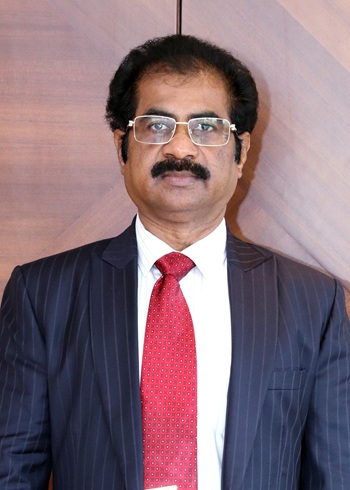
Rajendra Rajan, Founder, TransIndia


Leave a Reply