
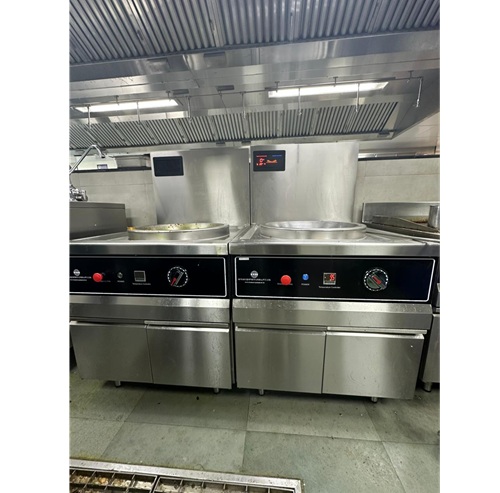
- Enables transition to induction-based and other non-LPG cooking infrastructure, ensuring operational continuity while protecting livelihoods across institutional kitchens
- As the sector evolves, HungerBox shifts focus from single-source energy reliance to building more resilient systems that can better withstand future disruptions
India : HungerBox, India’s leading institutional foodtech platform, is taking a decisive step to address the ongoing LPG supply disruption that is impacting commercial kitchens across the country. With more than 70 percent of institutional kitchens dependent on LPG and India importing over 60 percent of its requirement, the current supply constraints are beginning to affect daily operations, leading to reduced output, limited menus, and growing uncertainty for food businesses.
What may appear as a supply-side challenge is, in reality, exposing a deeper structural vulnerability in how institutional food infrastructure is powered. Continued reliance on a single fuel source that is subject to external disruptions is proving increasingly difficult to sustain, especially as geopolitical factors widen the demand-supply gap and intensify operational unpredictability. Against this evolving landscape, industry players are being compelled to move beyond short-term adjustments and begin investing in more reliable, scalable alternatives that can support uninterrupted operations.
In response to this shift, HungerBox has moved early to support its partner ecosystem by enabling a transition toward alternative cooking solutions. The company has invested over INR 3.5 crore in deploying electrical cooking systems, including induction-based infrastructure, to ensure operational continuity without compromising end consumer experience. This intervention is helping partner kitchens sustain output while reducing dependence on LPG.
Commenting on the development, Uttam Kumar, Co-founder, HungerBox, said, “Every large system reveals its fault lines during moments of stress, and what we are witnessing today is a clear signal that the current energy model for institutional kitchens has reached its limits. Dependence on LPG has served the industry well, but it was always exposed to variables beyond operational control. The present disruption is forcing a necessary correction. HungerBox chose to act early because continuity in food services is not negotiable, especially in environments that depend on scale and consistency every single day. Our investment in electrical infrastructure is not a temporary adjustment. It reflects a long-term view on how kitchens will evolve, where energy choices are deliberate, diversified, and aligned with reliability. The industry now has an opportunity to build a more resilient foundation, one that is less reactive and far more self-sustained.”
This shift reflects a broader transition beyond immediate crisis response, where disruptions often accelerate long-term changes in behaviour and infrastructure. A similar inflection point is emerging now, much like demonetisation drove digital adoption in payments, pushing institutional kitchens to move beyond LPG dependence toward more reliable and self-sustained energy models. Electricity, supported by advancements in commercial-grade appliances, is emerging as a viable foundation for high-volume operations, with future integration of renewable sources such as solar further strengthening resilience and reducing exposure to supply volatility.
HungerBox’s approach combines financial enablement with infrastructure readiness, allowing partners to adapt at scale without operational setbacks. This early and decisive action reflects a clear direction for the industry, as large-scale food services begin to transition toward more reliable and diversified energy systems.
As the sector moves through this transition, the focus is expected to shift toward reducing dependence on single-source energy models and building systems that are better equipped to handle future disruptions. HungerBox continues to work closely with its partners to enable this evolution, contributing to a more stable and future-ready institutional food ecosystem in India.



Leave a Reply