
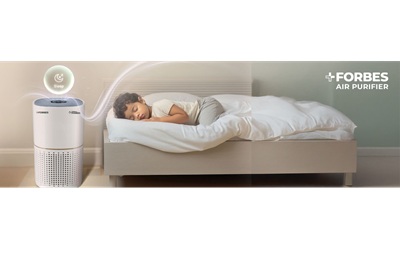
While outdoor pollution often grabs attention, indoor air pollution can be equally, if not more harmful. With people spending nearly 80-90% of their time indoors, exposure to polluted indoor air can directly impact respiratory health, immunity, sleep quality, and overall well-being.
Indoor air can contain pollutants such as dust, PM2.5 particles, smoke, pet dander, mould spores, and volatile organic compounds (VOCs) released from cleaning products, paints, and cooking activities. Poor ventilation further worsens indoor air quality, allowing these pollutants to remain trapped for longer periods.
According to Dr. Anil Kumar, Scientist at Eureka Forbes, “Many people assume staying indoors protects them from pollution. However, indoor spaces can trap harmful pollutants and allergens, leading to prolonged exposure that may affect respiratory health and immunity over time.”
Poor indoor air quality can lead to allergies, coughing, breathing discomfort, disturbed sleep, and aggravated asthma symptoms, especially among children and the elderly. This has made air purification an important part of modern homes.
Advanced air purifiers with HEPA filtration and activated carbon technology help reduce airborne pollutants, allergens, and odours indoors. Products like the Forbes AP500 and AP355 Smart from Eureka Forbes are designed to address evolving indoor air quality concerns while catering to the needs of modern Indian households.
Along with using effective air purification systems, simple practices such as regular ventilation, routine cleaning, and reducing indoor pollutants can go a long way in creating healthier indoor spaces. As awareness around wellness grows, clean indoor air is becoming essential, not just for comfort, but for healthier living.





Leave a Reply