
Blending Heritage with Responsible City-Building
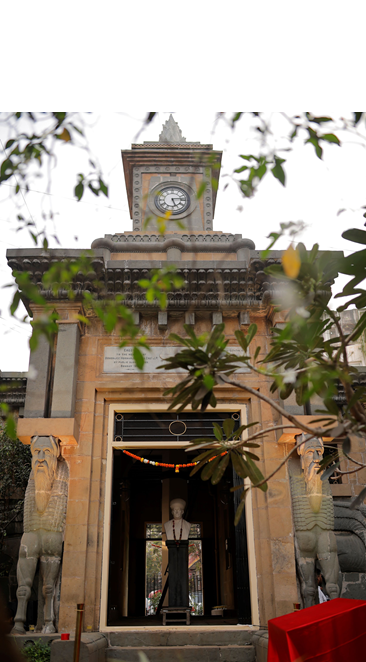
Mumbai : Rustomjee Group, one of Mumbai’s leading real estate developers, has successfully completed the restoration of the iconic 19th-century Bomanjee Hormarjee Wadia Clock Tower, located at the junction of Bazaar Gate Street and Perin Nariman Street in the historic Fort district. The project, undertaken in collaboration with the Kala Ghoda Association, culminated in a special inauguration event attended by heritage experts and community members, reviving this monumental fountain and clock tower built in 1882 as a tribute to philanthropist Bomanjee Hormarjee Wadia.
Boman Rustom Irani, Chairman and Managing Director of Rustomjee Group, stated, “Mumbai’s heritage has always moved me because it reflects the soul of the city and the stories that shape who we are. The Wadia Clock Tower is not just a relic of the past; it is a living part of everyday Mumbai, belonging to everyone who passes it. Our endeavour is to restore the pride and dignity this landmark once held within the community.
At Rustomjee, we believe that when we build homes, we shape families, and when we conserve heritage, we deepen the bond between a city and its people. It is a privilege to restore a monument built in honour of Bomanjee Hormarjee Wadia, a visionary philanthropist whose commitment to education and public welfare continues to inspire us. By reviving the Wadia Clock Tower, we honour his legacy while reaffirming our own commitment to preserving civic pride and investing in the city’s future through education.”
This philosophy extends beyond heritage, it honours Wadia’s legacy in education and civic welfare, mirroring Rustomjee’s own commitment to these values. At Rustomjee, education is seen as the foundation of inclusive growth. In the last three years, they have committed ₹6.32 crore to education within a total CSR investment of ₹14 crore, positively impacting nearly 750 students across Maharashtra. Through the Rustomjee Foundation and the integration of K–12 schools within their townships, learning is embedded into the communities not as an afterthought, but as a responsibility for the future.
Brinda Miller, Chairperson of Kala Ghoda Association, said, “The restoration of the Wadia Clock Tower is a testament to collaborative efforts in preserving Mumbai’s rich heritage. Partnering with Rustomjee has brought this landmark back to life, enhancing the cultural vibrancy of Fort for generations to come.”
The comprehensive restoration included strengthening the basalt stone structure, repairing architectural elements, cleaning surfaces, reviving the clock, and adding sensitive night-time lighting. Originally built during a period when Mumbai faced epidemics such as plague and cholera, the fountain served as a vital source of clean drinking water and improved street hygiene in an era of limited piped supply. The tower once catered to travellers, traders and residents through separate water troughs for people, horses and dogs, while its four clock dials provided public timekeeping when personal watches were uncommon. It now serves as a functional, illuminated landmark fostering community pride in the diverse Fort neighborhood. It now serves as a functional, illuminated landmark fostering community pride in the diverse Fort neighborhood.
Vikas Dilawari, the conservation architect, commented, “This project exemplifies meticulous heritage conservation, stabilizing the structure while reviving its original craftsmanship and functionality, including the clock mechanism ensuring the tower stands as a beacon of Mumbai’s architectural history.”
The inauguration was marked by a traditional Parsi diya lighting ceremony to honour the Parsi legacy associated with the monument and celebrate its revival with the public. The ceremony underscored Rustomjee’s commitment to blending contemporary city-building with the preservation of cultural and historical identity. With the restoration of the Bomanjee Hormarjee Wadia Clock Tower, Rustomjee reinforces its belief that building a city goes beyond creating physical infrastructure, it is about preserving memory, meaning and shared civic identity.
As Mumbai continues to evolve, such initiatives ensure that historic landmarks remain active participants in urban life rather than fading reminders of the past. The revived clock tower now stands as a symbol of continuity, community pride and responsible stewardship, reflecting Rustomjee’s commitment to shaping Mumbai’s future while honouring the legacy that defines it.




Leave a Reply