
Bangalore: For generations, Indian households have had one instinct during uncertain times: when in doubt, buy gold.
However, the recent market environment has offered investors a timely reminder: even traditional safe-haven assets can experience sharp volatility. Since the escalation of the West Asia conflict, global markets have remained choppy, crude oil prices have remained volatile, and investor sentiment has shifted quickly. In such periods, gold is typically expected to benefit from safe-haven demand. Yet, this time, gold itself came under pressure.
Gold was trading at around USD 5,278 per troy ounce at the close on February 27, the day before the conflict escalated. It later corrected sharply to around USD 4,090 per troy ounce as of July 27. (Source: Investing.com). In INR terms too, gold corrected from ₹158,585 per 10 grams at the close on February 27 to around ₹142,800–144,200 per 10 grams in late July. (Source: MCX Spot Market Price at Ahmedabad).
What makes this correction noteworthy is that it happened despite factors that would normally support domestic gold prices. During the same period, the INR weakened from 91.08 to 96.13 against the US dollar (Source: Morning Star), while basic customs duty on gold also increased. Both these factors could have cushioned gold prices for Indian investors. Yet, gold still declined.
Moreover, on June 5, the RBI and the Government announced a series of measures to attract foreign capital and support the INR, aimed at strengthening capital inflows, improving foreign currency liquidity and enhancing external sector stability. If these measures help stabilise the INR over the medium term, currency depreciation may no longer provide the same support to gold returns for Indian investors.
This raises an important question: if even gold, India’s most trusted symbol of financial security, can fluctuate during uncertain times, what should investors look for when they seek true certainty?
Certainty is becoming the new safe haven
Today’s investors are not merely looking to grow wealth. They want money that is available when life demands it. A child’s education fees will not wait for markets to recover. Retirement income cannot depend on whether gold, equities or interest rates are favourable that year. Healthcare needs, family responsibilities and long-term commitments arrive on schedule.
That is where non-participating life insurance solutions are gaining relevance — by offering something gold simply cannot promise: defined benefits, long-term protection and greater predictability.
What are Non-Par life insurance solutions?
Non-Par products are life insurance plans where the benefits are guaranteed and defined upfront at the time of purchase. They do not participate in the profits or bonuses of the insurance company and are not linked to market performance. In simple terms, the customer knows what they will receive, when they will receive it, and how it can support their financial goals.
Typically, such solutions offer annualised returns in the range of 5–7% p.a. IRR, depending on the customer’s age, premium, policy term and benefit option, with select product structures offering even higher returns. More importantly, these returns come with the advantage of life cover and guaranteed payouts, making them a strong fit for goal-based planning.
Why this matters now
The shift is already visible in investor behaviour. Indian households continue to prioritise safety, capital protection and predictable outcomes. This is not because they do not want growth. It is because they want growth that does not compromise certainty.
In uncertain times, the focus moves from “How much can I make?” to “Can I count on this money when I need it?”
That is the gap Non-Par solutions are designed to address. Unlike market-linked products, they are not exposed to daily volatility. Unlike gold, they do not depend on price movements to deliver value at a specific milestone. Unlike traditional savings instruments, they also provide life insurance protection, ensuring the family’s financial plan remains on track even if life takes an unexpected turn.
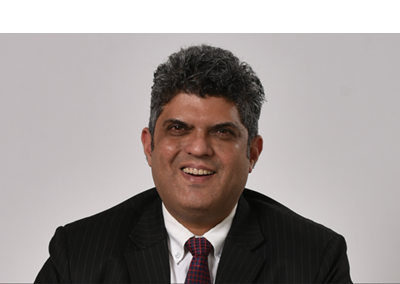
Sujeet Kothare, Chief Business Officer – Proprietary Business, Propositions and Marketing, Digital Marketing, Tata AIA Life Insurance, said: “Gold will always have a special place in Indian households because it represents trust, tradition and security. But today’s families are looking for a more predictable answer to their financial goals. When a child’s college fee is due, when retirement income is needed, or when the family requires support, they want certainty. Non-Par life insurance solutions address this need by combining guaranteed benefits with life cover. In today’s uncertain environment, that combination is becoming increasingly meaningful.”
The new gold standard of planning
This is not about replacing gold, fixed deposits or equities. Each asset has a role in a well-planned portfolio. Gold may preserve value over the long term. Equities may create growth. Fixed deposits may provide short-term stability. But Non-Par life insurance solutions bring something distinct: a guaranteed financial outcome linked to a defined life goal, along with protection for the family.
As global uncertainty continues to test traditional assumptions, investors are beginning to look beyond assets that simply appear safe. They are looking for solutions that deliver when it matters.





Leave a Reply