
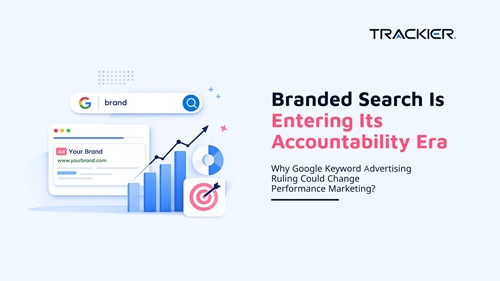
Branded search has evolved from a visibility tactic into one of the most valuable growth channels in performance marketing.
Across industries, brands are investing heavily in branded search visibility through both SEO and brand bidding strategies to ensure they dominate visibility for their own demand. When users search for a branded keyword, brands want to appear in the top position in SERPs, whether it is through SEO rankings, paid ads, or a combination of both.
A recent Delhi High Court ruling on Hindware and Google has brought attention to how branded keywords operate in search advertising auctions. The court finds Google liable in a trademark dispute where competitors were able to bid on a brand’s trademark keyword, sparking broader discussions around keyword governance, trademark protection, and accountability in digital advertising.
But this is not a story about limiting brand bidding; it is a story about how branded search is becoming more structured, measurable, and accountable.
Why has brand bidding become a standard performance strategy?
Brand bidding is already a widely accepted practice in performance marketing. Brands actively bid on their own keywords because branded search is the highest-intent traffic that they do not want to lose.
If a user is searching for a brand, it already demonstrates awareness, interest, and purchase intent (most of the time). So, brand bidding is therefore the highest priority.
Brands invest in brand bidding to:
- Get higher rankings in SERPs
- Control messaging across paid and organic results
- Protect buying intent traffic from competitive distractions
- More conversion efficiency on branded queries
Challenges in the visibility of high-intent searches
While brand bidding is a standard strategy, branded search is also a competitive space. A single branded query can involve multiple layers of participation:
- Brand itself (via SEO and paid ads)
- Competitors trying to appear for alternative consideration
- Affiliates or partners participating in performance campaigns
- Broad-match and automated targeting systems capture related intent
This creates a complex visibility environment where multiple advertisers may appear in high-intent searches.
The ruling of the Delhi High Court has brought attention to how these ecosystems are governed, not to remove competition, but to ensure clear boundaries and transparent usage of trademarks within auctions.
Why is accountability in branded search increasing?
Search advertising has always been built on auction-based systems, where visibility is determined by bids and relevance. But branded search introduces a different dynamic, which is that the demand already exists.
Users are not discovering a category; they are searching for a specific brand, and this is why accountability is becoming a central theme in performance marketing.
The focus is shifting towards:
- Who owns the demand?
- Who participates in monetizing it?
- How transparent is keyword usage across the ecosystem?
- Are brand assets being used in a controlled, approved manner?
Instead of questioning brand bidding itself, the industry is now focused on ensuring that brand participation, competitor participation, and partner activity are clearly governed and visible.
Affiliate and partner marketing need better visibility
Brand bidding is not limited to in-house marketing teams. It extends into the affiliate and partner ecosystem as well.
While many brands actively encourage strategic brand bidding as part of their growth strategy, challenges arise when unauthorized parties begin using trademarked keywords without approval.
This can create issues such as:
- Traffic diversion from branded searches
- Misattributed conversions
- Reduced visibility on high-intent keywords
- Difficulty identifying who is bidding on a brand’s terms
As branded search becomes more competitive, visibility into keyword activity becomes more important.
To address this challenge, the Trackier brand bidding feature enables brands to monitor active campaigns using specific keywords across selected geographies.
Brands can identify websites promoting ads on their trademarked terms, review destination URLs, and detect potentially unauthorized bidding activity.
Instead of limiting brand bidding, this approach helps brands participate in it more confidently by improving transparency and oversight across the search ecosystem.
Attribution is becoming more important than ever
When multiple parties participate in branded search, including brands, competitors, affiliates, and partners, it becomes more important to understand who is actually contributing to conversions, and that is where “attribution” becomes critical.
Brands need visibility into:
- Which channels are driving incremental value?
- Which partners are influencing conversions?
- Whether branded traffic is being created or simply redirected
As branded search ecosystems become more complex, accurate attribution helps marketers make better investment decisions and maintain confidence in their performance marketing strategy.
What brands should optimize instead of restricting?
The goal should not be to reduce brand bidding; it should be to optimize it. Brands should focus on:
- Strengthening branded search visibility across SEO and paid channels
- Define clear brand bidding rules for partners and affiliates
- Improve the monitoring of competitor presence on branded queries
- Enhancing attribution models for branded traffic
- Increasing visibility into partner-driven conversions
- Monitoring unauthorized trademark keyword usage across key markets
- Regularly auditing branded search activity to protect traffic and conversions
Future of branded search: More structured, transparent, and performance-driven
Branded search is evolving from a mature ecosystem to a more structured one. Now, it is one of the most important strategies that combines:
- Demand generation via SEO
- Control over visibility in paid search
- Participation by affiliates and partners
- Attribution and optimization via data
The Delhi High Court ruling does not affect the value of bidding on branded terms. Rather, it emphasizes the need for more clarity related to governance over the use of branded keywords throughout digital ecosystems.
Going forward in performance marketing, success will not come from limiting others’ ability to bid on branded keywords but from creating better visibility, transparency, and control across channels.
As branded search becomes more competitive, brands need better visibility into how their trademarks are being used across search ecosystems.
The Delhi High Court ruling reinforces the importance of accountability, but accountability requires visibility and monitoring. With Trackier’s brand bidding feature, brands can identify unauthorized keyword bidding activity and protect the demand they create while maintaining a transparent search strategy.




Leave a Reply