
Consumers have transformed the way they buy food and beauty products. Why hasn’t the same shift happened in home care?
Over the last decade, Indian consumers have fundamentally changed the way they shop. Whether it’s packaged food, skincare, baby care or personal wellness products, ingredient labels have become central to purchase decisions. Consumers increasingly compare formulations and look beyond marketing claims. According to Nielson IQ, transparency around ingredients and product information is now one of the strongest drivers of consumer trust.
Yet there is one category that has largely remained outside this shift, home care.
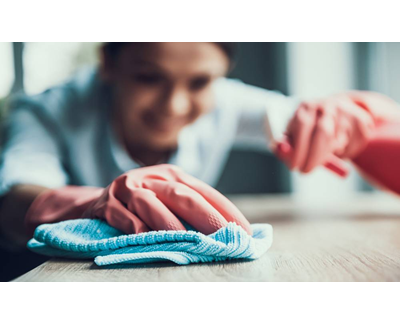
Every day, detergents, dishwashing liquids, floor cleaners and surface cleaners touch almost every part of our homes. Yet despite being among the most frequently used household products, they are still judged largely by fragrance, stain removal and price rather than the science behind their formulations.
Ironically, this is also one of India’s fastest-growing FMCG categories. According to IMARC Group, the Indian household cleaner’s market is expected to grow at a CAGR of nearly 14% through 2034, fuelled by rising hygiene awareness, urbanisation and increasing demand for premium home care products. As the category expands, expectations are likely to shift beyond cleaning performance towards transparency and smarter formulations.
That evolution is already underway in many parts of the world, where changing consumer expectations are influencing not only regulations but also the way home care products are designed and manufactured.
Across Europe, detergent innovation is being shaped by both regulation and consumer demand. The European Union is adopting rules to improve the biodegradability of detergents and is revising its Detergents Regulation to prohibit animal testing, modernise product labelling and encourage more sustainable formulations. These developments reflect a broader shift where innovation is measured not only by cleaning performance, but also by formulation and transparency.
This global transition is also redefining innovation in home care. Around the world, advances in formulation science are encouraging manufacturers to rethink how products are designed, balancing cleaning performance with ingredient transparency, material innovation and environmental responsibility.
This isn’t about questioning conventional home care products. It is about recognising that consumer expectations are changing. Just as nutrition reshaped food choices and ingredient transparency transformed skincare, home care is approaching a similar inflection point.
For India, this is an opportunity to lead. By making formulation science more accessible and communicating ingredients more clearly, the industry can build trust through transparency, innovation and informed consumer choice. That innovation need not be limited to cleaning formulations alone. Across the broader home care ecosystem, there is a trend of embracing coconut-derived ingredients and bio-based innovations, fast-growing bamboo and responsibly sourced pulp for everyday paper essentials, plant-based polymers for waste bags, and reusable alternatives that help reduce single-use household waste. Together, these advances demonstrate how performance, material innovation and environmental responsibility can evolve hand in hand setting the direction for the future of home care.
The future of home care will not be defined by more foam, stronger fragrances or louder advertising claims.
It will be defined by smarter chemistry, thoughtful material choices, greater transparency and informed consumers who expect more from the products they bring into their homes.
Perhaps the real question is no longer, “If other countries are changing their detergent formulas, why aren’t we?”
Instead, it is this:
Is India ready to start asking the same questions?




Leave a Reply